For the Addiction Specialist
Membrane plasmapheresis in the combined treatment of emergency conditions in addiction medicine (Zaporizhzhia).
The experience of scientific and practical addiction medicine in recent years convincingly demonstrates a substantial complication of the clinical picture of both acute and chronic intoxication and of the withdrawal syndrome in patients with drug and alcohol dependence, which is largely due to the combined abuse of psychoactive substances, the attainment of high tolerance, excessive consumption, beer encephalopathy, etc.
A certain role in the negative pathomorphosis of contemporary forms of pathological dependence and in the formation of emergency conditions in addiction medicine is played by home-made forms of manufacturing narcotic substances with the use of highly toxic precursor agents. In addition, the low quality of alcoholic beverages is, on the one hand, a factor in the accelerated formation of states of dependence and, on the other, a factor in the not infrequent cases of individual and mass acute poisoning. Such psychoactive surrogates and mixtures are able to cause irreversible metabolic, immunological, neurobiological and hemodynamic disturbances in the body of a patient with dependence problems.
An increase in the phenomena of toxic encephalopathy is observed at the early stages of the formation of dependence, together with a discrete complication of the post-intoxication state by somatic, neurological and psychopathological symptoms with a tendency toward more frequent relapse, an increase in the frequency and duration of hospitalizations, an intensification of the progressive course of the disease and a reduction in therapeutic measures.
Prolonged abuse is accompanied by suppression of central nervous activity and by damage to all vital internal organs and systems: the cardiovascular system, the gastrointestinal tract and, in particular, the liver. Its enzymatic and protein-forming functions change; disturbances in the activity of transaminases and in thymol test values are observed, as is an increase in the concentration of bilirubin. A significant role is played by the duration of the intoxication and by the individual tolerance of psychoactive substances, and by a history of organic cerebrovascular insufficiency and of psychosomatic and somatoform pathology.
Such a statement of the clinical pathomorphosis of emergency addiction pathology determines the need for further improvement of therapeutic approaches to solving the real problems of modern addiction medicine. Alongside such methods, already traditional in the treatment of patients with drug and alcohol dependence, as infusion and electrochemical detoxification, quantum therapy, physiotherapy, craniocerebral hypothermia and hyperbaric oxygenation, by the Department of Narcology of the Kharkiv Medical Academy of Postgraduate Education.
All the methods of extracorporeal detoxification adapted to the problems of addiction medicine may be conventionally divided into 2 groups. One of them contains methods based on the possibility of using sorption techniques for fixing the toxic substances circulating in the blood and subsequently removing them. The other group includes hemofiltration methods of removing harmful substances together with part of the constituent of the blood itself – the plasma.
Numerous modifications of sorption technologies are based on the extracorporeal elimination of exogenous and endogenous toxic substances, the biotransformation of toxic reagents, the «unblocking» of the biological systems of detoxification, rheocorrection and immunocorrection. At the same time, when sorption methods of detoxification are performed, a considerable quantity of substances with bioregulatory effects is removed, the content of which is substantially elevated in acute and chronic intoxication.
Common to all these modifications is the use as a detoxifier of non-medicinal (non-pharmacological) substances - activated charcoal or ion-exchange resins with selective sorption properties that absorb toxic substances. The main difference between them lies in the «site of application» of the detoxifier (oral administration, filtration of humoral media). One of the most widespread sorption methods in addiction medicine in recent years has been hemosorption - the extracorporeal removal of toxic metabolites from the blood by filtering it through activated charcoal (a hemosorbent) with the subsequent immediate intravascular reinfusion of the purified blood into the same patient. Various terms have been proposed to designate this intensive detoxification process: "hemosorption", "hemoperfusion", "hemocarboperfusion", "lymphosorption".
A substantial step forward was the development of the membrane plasmapheresis method on the basis of fundamentally new technologies. These methodological recommendations have been compiled with the aim of disseminating the positive experience of managing emergency addiction-related conditions with the use of the membrane plasmapheresis method. The authors' innovative approaches in the development and adaptation of membrane plasmapheresis in addiction medicine have been carried out at the level of novelty; two Patents of Ukraine for a utility model have been obtained (a method of combined detoxification therapy for emergency conditions of alcoholic origin, No. 20470, 2007, and a Method of intensive detoxification No. 24574, 2007).
As clinical studies have shown, for the purposes of optimizing the ratio between efficacy and safety, membrane plasmapheresis (MP) is the most optimal technique of intensive detoxification in addiction medicine. The main criteria for the substantiation and differentiated use of membrane plasmapheresis in emergency conditions in clinical addiction medicine are set out below.
Theoretical substantiation of the membrane plasmapheresis method in addiction medicine
Plasmapheresis is a method of extracorporeal detoxification that consists in the removal of part of the plasma together with all the toxic substances dissolved in it. The MP (membrane plasmapheresis) method is based on the perfusion of blood in a closed extracorporeal circuit consisting of blood lines and a plasma filter in which the separation of the blood takes place. The liquid part - the plasma - is separated from the formed elements and is removed from the blood circuit through the membrane of the filter; the formed elements remain in the circuit and are returned to the patient. The withdrawal of blood and its return to the patient are performed through the same vein with the help of modern instrumental hemofiltration technologies.
Plasmapheresis belongs to the specialized methods of medical care and is defined as targeted detoxification and correction of homeostasis. It is widely used in cases where the conventional medicinal and non-medicinal methods prove insufficiently effective, namely:
- Marked intoxication with alcohol and drugs,
- severe withdrawal syndrome from psychoactive substances (PAS),
- High resistance to therapy,
- Toxic and viral hepatitis.
The effect of plasmapheresis consists not only in the direct removal of toxins and immune complexes, but also in a general non-specific stimulating action on metabolism, immune status, microcirculation and oxygen metabolism in the tissues, which leads to an increase in the patient's sensitivity to the pharmacotherapy administered and, accordingly, to a shortening of the duration of complications and a substantial improvement in the subjective well-being of patients and in objective clinical indicators.
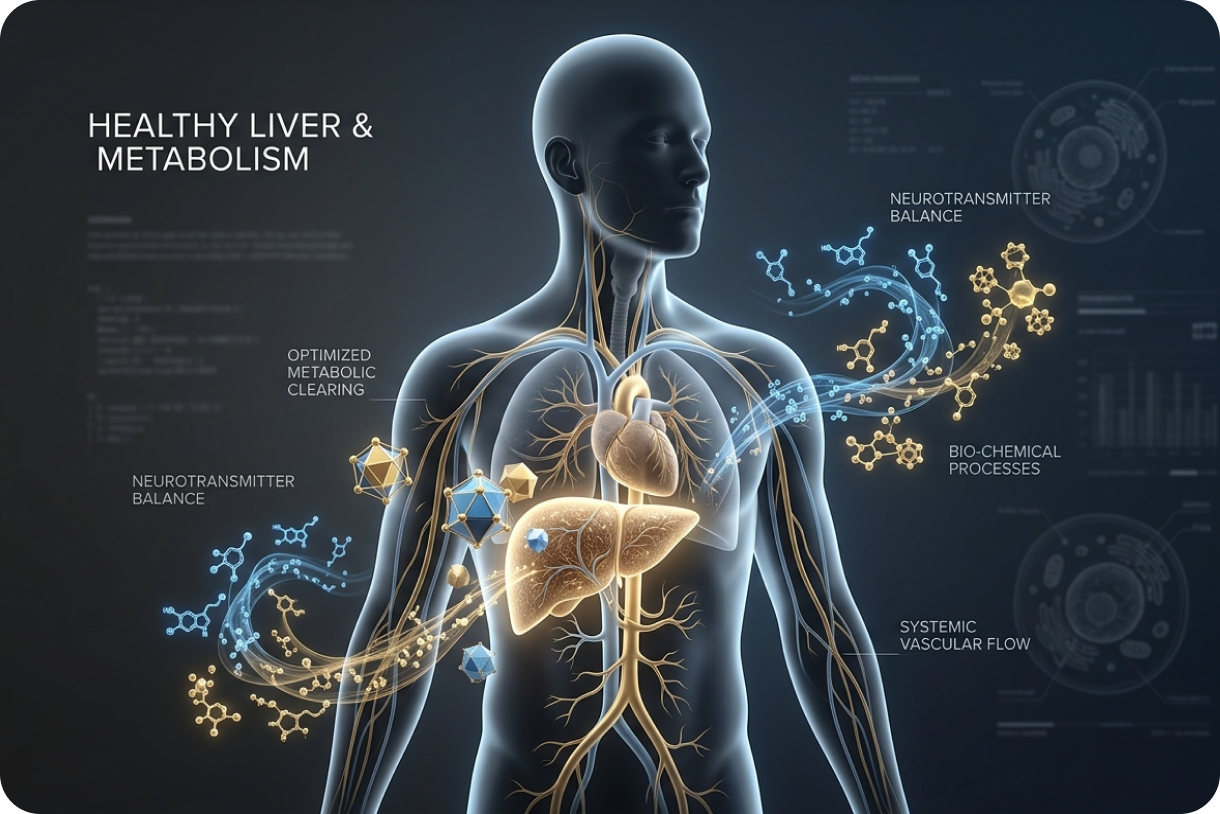
There are also theoretical grounds for performing plasmapheresis in the treatment of the withdrawal syndrome, since prolonged chronic intoxication with various PAS leads to the occurrence of substantial biochemical and immunological disturbances, including at the level of neurotransmitter metabolism, with the disturbance of dopamine regulation being manifested to the greatest degree. Since all the neurotransmitter systems are interconnected, the metabolism of serotonin, acetylcholine and gamma-aminobutyric acid (GABA) also suffers. The functions and structure of the internal organs and systems are disturbed, which ultimately leads to the development of endogenous intoxication, to a decrease in normal immune reactivity and to the development of autoimmune processes (the appearance in the blood of circulating immune complexes with pathogenic properties). Thus, the advisability of using plasmapheresis in the combined treatment of addiction pathology is evident.
The basic principle of the method is based, as stated above, on the removal of plasma containing toxins with adequate replacement by various infusion media (physiological saline, crystalloids, colloids, donor plasma, albumin).
Substances of various molecular weights are thereby removed, from low- to high-molecular-weight structures:
- Antigens,
- Antibodies,
- Circulating immune complexes,
- Mediators of inflammation,
- Excess fibrinogen,
- Bacteria and their toxins,
- Products of the breakdown of tissues and cells.
One of the essential mechanisms of the therapeutic action of plasmapheresis is connected with the general reaction of the body to the exfusion of blood. In blood loss the mechanisms activating the defenses of the body are triggered: the metabolic processes between the water sectors change, tissue protein, iron stores and other plastic materials are mobilized, and hematopoiesis is stimulated with an acceleration of the maturation of cells in the bone marrow. The dilution of the blood with the preservative, hemodilution with infusion media and the deplasmation of erythrocytes and other cells are also of significance.
All the mechanisms mentioned above provide:
1) unblocking of the receptors and an increase in the functional activity of blood, phagocytic and immunocompetent cells;
2) immunocorrection;
3) improvement of blood microcirculation;
4) an anti-inflammatory effect;
5) removal of the products of the breakdown of tissues and cells (in hemolysis, myoglobinemia), of microbes, poisonous substances, toxins and metabolites of narcogenic origin, including those bound to proteins.
Indications and contraindications for the use of membrane plasmapheresis in addiction medicine
Membrane plasmapheresis may be used both as an independent single method and in combination with other non-medicinal and medicinal means of intensive therapy. The need for pharmacological correction of the emergency addiction-related conditions managed against the background of plasmapheresis thereby becomes minimal. The use of the plasmapheresis method in combination with oxygen therapy and laser therapy gives grounds for concluding that they quite often potentiate the action of one another. Taking into account the mechanism and the pathogenetic orientation of the action of the therapeutic factors of plasmapheresis in addiction-related diseases, the main indications for prescribing this method of therapy should include the following clinical situations within the framework of the dependence syndrome: acute intoxication with psychoactive substances, use of PAS with harmful consequences, the withdrawal state, binge forms, neurological post-intoxication complications, anxiety and depressive disorders of alcoholic and narcotic origin.
When the basic rules for conducting a session of membrane plasmapheresis are observed, and when the indications and contraindications for membrane plasmapheresis in addiction medicine are strictly taken into account, no complications have been recorded during the intensive therapeutic measures. When prescribing MP it is important to take into account not only the general condition of the patient, the specific features of the pathological process in the clinical course of the addiction-related disease, its clinical manifestations, the stages and form of the disease and the trends of its development, but also concomitant diseases, post-intoxication complications and the patient's sex-related, age-related and occupational hazards. MP proves most effective with a comprehensive and differentiated approach to the assessment of all the factors listed above.
The contraindications to membrane plasmapheresis may be conventionally divided into absolute and relative.
The absolute contraindications include:
1) irreversible damage to the brain and other vital organs;
2) terminal conditions;
3) internal bleeding;
4) purulent diseases (abscesses, phlegmons, etc.).
The relative contraindications are:
1) increased bleeding tendency or a high risk of bleeding (in peptic ulcer disease or erosions of the gastrointestinal tract);
2) instability of hemodynamics;
3) hypoproteinemia (the removed volume must be compensated with protein preparations or colloid plasma-substituting solutions, with donor plasma);
4) acute infectious diseases;
5) menstruation;
6) macroglobulinemia, Waldenström's disease, myeloma.
Applied aspects of membrane plasmapheresis
The preparation stage:
In order to prepare the patient for a session of membrane plasmapheresis it is necessary to carry out the following investigations: a general blood and urine test, determination of total plasma protein, urea, creatinine, glucose, bilirubin and its fractions, sodium and potassium of the blood plasma, hematocrit, blood clotting time, and arterial and central pressure. The clinical and laboratory block of investigations is supplemented by an electrocardiogram and by rheographic and electroencephalographic examination. Consultations with a therapist and a neurologist are obligatory; women must be examined by a gynecologist. Acute infectious and oncological pathology must be ruled out. Where necessary, patients with an obliterated peripheral venous system undergo catheterization of the subclavian vein.
Medical, technical and pharmacological provision
The method of single-needle membrane plasmapheresis has been repeatedly refined as efferent medicine has developed and as original methods of extracorporeal detoxification based on innovative instrument technologies have been introduced into clinical practice. The success of plasmapheresis is connected with the use of new-generation plasma filters PFM-01 TT «Rosa». The basis of this plasma filter is a flat porous Lavsan track membrane 10 µm thick with pores about 0,4 µm in diameter. This allows all the liquid components of the blood to pass through freely and retains the formed elements.
The most advanced device for performing membrane plasmapheresis is the AMPld-TT «Hemofenix» apparatus, which meets the requirements of the international quality and safety standard DINENISO9001-2000 and holds the corresponding EVROCAT certificate. The basis of the apparatus is a ventricular-type chamber pump with inlet and outlet valves which, during the «diastole» period, draws blood from the vein and, during the «systole» period, directs it into the plasma filter with its subsequent return into the same vein.

Engineering solutions using microprocessor systems have made it possible to ensure sufficient safety of the procedure at all stages of plasmapheresis. The system of automatic dosing of anticoagulants by means of a calibrated plastic bag makes it possible to maintain a constant supply of the anticoagulant dose.
In order to make the work of the physician easier, the volume of information on the information display has been considerably expanded:
- Visualization of both the preset and the current pressure of the line before the plasma filter
- Continuous digital recording of the time of blood withdrawal and return;
- Recording of the volume of blood passed through;
- A parameter of the current perfusion time has been introduced;
If the established parameters are exceeded and «abnormal» situations arise, the apparatus stops, issuing not only an audible signal but also a message on the display giving the cause of the emergency stop («air in the trap», «air in the line», «withdrawal time more than 100 seconds» current pressure more than 300 mm Hg.
The connections in the extracorporeal circuit with the membrane plasma filter, the venous catheter and the pressure sensor of the apparatus are made through more reliable connectors of the «Luer-Lock» type, which comply with international standards. The built-in operating program of the apparatus makes it possible to carry out continuous observation of the dynamic parameters of the extracorporeal circuit and of the connected vein, and to independently maximize the blood flow and the plasmapheresis procedure as a whole.
Two electromagnetic valves working in antiphase are used in the apparatus, which ensures a directed flow of fluid in the extracorporeal circuit. The automation of the plasmapheresis procedure, the multilevel safety system and the continuous monitoring and control of the functions of the apparatus make the work of the physician easier and allow him to concentrate fully on the condition and needs of the patient.
The following must be prepared in order to perform MP:
- An apparatus for membrane plasmapheresis (the AMPld-TT «Hemofenix» apparatus);
- A single-use sterile membrane plasma filter PFM-01-TT "ROSA";
- Single-use blood lines KMAP-01 «Novoplast»;
- Scales with a bracket for mounting them;
- Vials (bags) of isotonic sodium chloride solution and 5. anticoagulant (Glugicir);
- Heparin;
- A pack of sterile accessories (a sterile «underpad», scissors, Billroth clamps, a cup of alcohol, gauze balls and swabs, a bandage), sterile gloves, adhesive plaster;
- A blood pressure monitor;
- Before the start of an MP session it is obligatory to check the expiry date of the plasma filters and of the blood lines and the integrity of the consumer packaging;
Technique for performing membrane plasmapheresis
To perform plasmapheresis, venipuncture of the cubital vein is carried out with the insertion of a catheter 1,4-2,0 mm in diameter, into which heparin is administered at a dose of 100-150 IU/kg to prevent thrombus formation, which ensures a more reliable regimen of anticoagulation in the extracorporeal circuit under these conditions.
In cases of total obliteration of the peripheral vessels in patients with injecting forms of drug dependence, plasmapheresis access is obtained by the method of catheterization of the subclavian vein and lies within the competence of a specially trained physician.
In order to prevent the clotting of blood in the plasma filter, Glugicir solution must be continuously added to the blood being withdrawn; it is supplied in metered doses by means of a calibrated plastic bag.
Each phase of blood withdrawal amounts to 10 ml and requires the addition of 0,7 ml of Glugicir, and with systemic - heparin (1-1,5 ml without heparin). The amount of anticoagulant (Glugicir) depends on the amount of plasma removed and averages 150-200 ml. It must be taken into account that the total dose of Glugicir may vary depending on the state of the blood coagulation system. During the removal of plasma an increase in the viscosity of the blood occurs as a result of the increase in the volume of the cell mass. Under these conditions it is necessary to additionally produce hemodilution of the blood with the sodium chloride solution used for the initial filling of the extracorporeal circuit. It is advisable to add 5 thousand IU of heparin to this solution, which compensates for the loss, with the plasma being removed, of the previously administered heparin and ensures an even level throughout the entire period of the plasmapheresis procedure.
In most cases 1/3-1/2 of the circulating plasma volume (CPV) may be removed in one procedure, which depends on the values of body weight, hematocrit and blood albumin. The circulating plasma volume is calculated from the values of the height, weight and hematocrit of the patient. If direct measurement of the hematocrit has not been performed, it is conventionally calculated from the erythrocyte count, which is multiplied by 10 (for example, 3,6 '1012 / l of erythrocytes corresponds to a hematocrit of 36%).
A convenient figure for calculation is the amount of plasma removed, equal to 1% of body weight.
The removal of 600-900 ml of plasma in one procedure is optimal. The removal of a larger volume may cause adverse events (weakness, a decrease in arterial pressure, loss of plasma proteins). The sparing technique does not require the restoration of the removed plasma with protein preparations.
The number of sessions per course of plasmapheresis depends on the individual differences in the course of the disease and on the laboratory values and in most cases amounts to 2-4 procedures at an interval of 3 days. About 1-1,5 CPV, or about 2,5-3 l of plasma, is removed per course of plasmapheresis. With such a regimen of plasma removal, disturbances of the blood coagulation system, of water and electrolyte balance, of proteins, fats, carbohydrates, hormones, etc. are usually not observed.
The replenishment of the removed plasma is carried out with physiological saline, crystalloids and, where necessary, colloid solutions, which creates favorable conditions for hemodilution and for the improvement of microcirculation. Optimal is the administration of physiological saline in an amount exceeding the volume of the removed plasma.
Modification of membrane plasmapheresis
The compilers of the methodological recommendations have developed a number of promising therapeutic and treatment-and-rehabilitation programs which include the combined realization of the detoxifying capabilities of the MP method and of other non-medicinal and medicinal components able to eliminate a number of the consequences of the pathogenic action of the intoxication factor. In effect, this concerns comprehensive «tandem» stimulation and optimization of the physiological systems of the body responsible for the accelerated elimination of toxins and metabolites in patients with dependence problems. In this connection, a modification of membrane plasmapheresis has been tested and introduced into the practice of addiction medicine which combines the therapeutic effects of modern domestic infusion detoxifying agents (Sorbilact, Reosorbilact) and the antihypoxic action of the oxygen therapy method.

A method of combined detoxification therapy for emergency conditions of alcoholic origin
(Patent of Ukraine for a utility model No. 20470; Date from which the rights to the utility model are in effect: 15.01.2007; Date of publication of the information on the grant of the patent and the number of the bulletin: 15.01.2007. Bulletin No. 1).
The leading place among the pathogenetic mechanisms of the formation of emergency conditions of alcoholic origin (withdrawal syndrome, binge states, acute alcoholic psychoses, etc.) belongs to exogenous and endogenous intoxication directly caused by chronic abuse of and physical dependence on alcohol. There is thereby an excessive (toxic) content of ethanol and abnormally high and dissociated concentrations of the products of metabolism, as well as immunological disturbances (the appearance of pathogenic immune complexes circulating in the blood) and disturbances of neurotransmitter metabolism (for example, a high content of dopamine, etc.). Endotoxicosis is understood as the accumulation in the tissues and biological fluids of the body of an excess of the products of normal or disturbed metabolism and cellular response.
The above forms the basis of the multiple organ complications that arise as a result of decompensation of the natural detoxification mechanisms. In this connection, an obligatory component of the therapeutic programs known in addiction medicine for the treatment of emergency conditions in patients with alcohol dependence is the intensive elimination of the intoxication factor. The first-priority therapeutic measures are implemented here according to two main approaches.
Methods of disintoxication therapy (measures aimed at the pharmacological, phytotherapeutic or other stimulation and optimization of the physiological systems of the body responsible for the elimination of toxins).